
China Producer Prices Hit 45-Month High on Iran War Shock
China’s factory-gate prices jumped to their highest level in nearly four years in April, driven by energy cost shocks stemming from the ongoing war in the Middle East. Chinas factory prices are really high now. The producer price index rose 2.8% from a year earlier, according to National Bureau of Statistics data released on Monday, far exceeding the 1.6% rise forecast in a Reuters poll. The consumer price index also beat expectations, climbing 1.2% from a year earlier against a projected 0.9% rise. 93.3 The Drive93.3 The Drive
The PPI gauge was doing badly for a time forty one months to be exact.. The PPI gauge had reversed a 41-month declining streak in March when prices rose 0.5%. April’s 2.8% print marks the second consecutive monthly gain — and the strongest since July 2022. KFGO
On a month-on-month basis, PPI rose 1.7% in April after climbing 1% in March. That acceleration points to a sharpening pace of cost increases at the factory level, not merely a statistical rebound from a low base. RTÉ
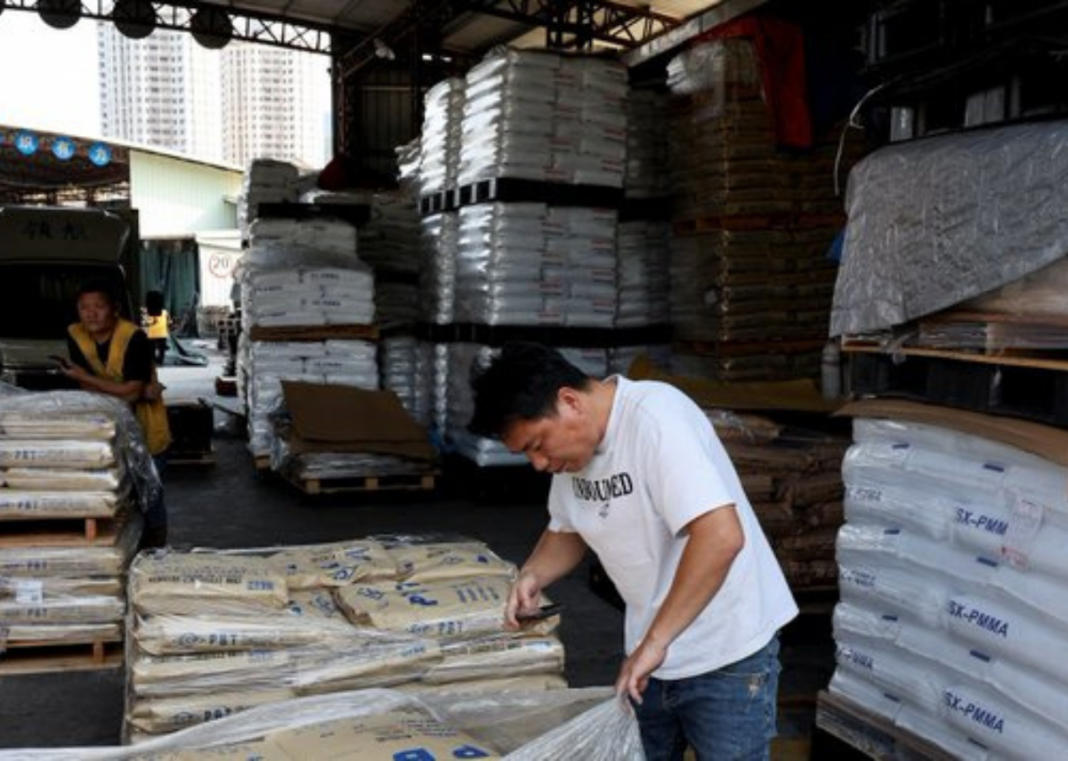
NBS statistician Huo Lihui attributed higher factory-gate inflation to rising prices in sectors including non-ferrous metals, oil and gas, and tech equipment. KFGO
The data lands at a difficult moment for Chinese manufacturers. Inflation driven by external price shocks does not indicate an improvement in the supply-demand balance and could spell new headaches for the export-led economy. Companies face rising input costs while domestic consumer demand remains soft — a combination that squeezes profit margins without the revenue growth that would normally accompany higher prices. 93.3 The Drive
“The fallout from the Iran war pushed up inflation again in April, but price pressures remain narrow in scope and aren’t likely to build into a wider reflation,” Capital Economics analysts wrote, adding that “with overcapacity in most sectors unresolved and domestic demand growth still sluggish, the ingredients for a sustained reflationary impulse still appear to be missing.” KFGO
Xu Tianchen, senior economist at the Economist Intelligence Unit, said prices still face upward pressure as oil prices are unlikely to return to pre-war levels, but added that inflation is expected to have only a limited impact on policy. RTÉ
Energy Costs and Consumer Prices
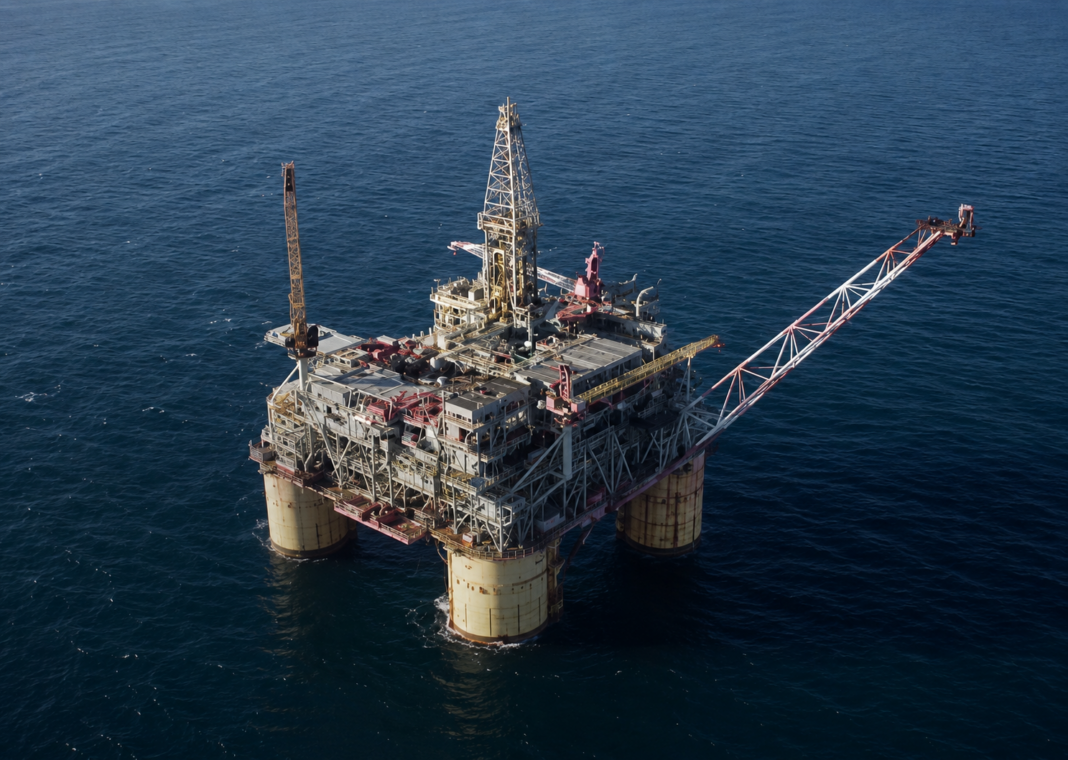
The energy shock is feeding through to everyday costs. China’s state planner has raised retail prices of gasoline and diesel since U.S.-Israeli attacks on Iran began in late February, and major Chinese airlines have ramped up fuel surcharges for domestic flights. The Standard
Higher living costs could further subdue household consumption, which has remained sluggish during a slowdown in overall economic growth and a years-long property market slump. The Standard
Core CPI, which excludes volatile food and fuel prices, grew 1.2% from a year earlier compared with a 1.1% increase in March. On a monthly basis, CPI ticked up 0.3% against an expected 0.1% dip, and compared with a 0.7% drop in March. The monthly reversal suggests the energy passthrough is accelerating. The Standard93.3 The Drive
Regional and Global Impact
China’s position as the world’s largest manufacturer means its factory-gate prices carry weight well beyond its borders. When Chinese producers absorb higher input costs, those pressures eventually flow through global supply chains — hitting importers from Southeast Asia to Europe.
China’s export engine is vulnerable to swings in demand from global trade partners, many of whom are scrambling to contain the fallout from the Middle East conflict. A simultaneous rise in production costs and a drop in import demand from key partners would compress Chinese exporters from both sides. The Standard
Beijing’s sizeable energy reserves and diversified supply mix have cushioned the economy from the impact of energy supply disruptions in the Middle East, and exports remained resilient this year due to robust demand for AI-related goods and as firms stockpiled components on fears over rising material costs. That resilience, however, may prove temporary if the conflict continues to sustain elevated oil prices. 93.3 The Drive
Analysts said cost-push factors were unlikely to trigger policy moves, as they lessen the urgency for looser monetary policy to support growth, and price levels will likely remain below the official target range for inflation. KFGO
Background
China’s producer prices spent 41 consecutive months in deflationary territory before March 2026 — a stretch reflecting chronic industrial overcapacity, tepid consumer demand, and fierce price competition among domestic manufacturers. A government campaign to curb excessive capacity and price competition in key industrial sectors, such as solar panels and auto manufacturing, had helped moderate producer price deflation. The headline reading only turned positive when supply chain shocks from the Middle East began driving up energy prices. Beijing’s policymakers have long targeted a mild reflation to ease pressure on corporate earnings, but an energy-driven price spike serves different economic dynamics than demand-led inflation. The property market, a major driver of domestic consumption and construction-linked commodity demand, remains in a multi-year slump. KFGO
What Happens Next
Capital Economics analysts flagged the possibility that cost-push pressures could work their way through to wider inflation over the coming months, though they cautioned that overcapacity and sluggish domestic demand make a sustained reflationary impulse unlikely. Chinese policymakers are expected to continue monitoring the inflation data before adjusting monetary settings, with the EIU’s Xu Tianchen indicating the impact on policy should remain limited. Beijing’s state planner will continue managing retail fuel prices administratively to moderate the passthrough to consumers. Further NBS price data for May will be released next month and will offer clearer evidence of whether the energy shock is broadening into the wider economy.