
Cambodia Invokes Rare UN Mechanism to Settle $300 Billion Gulf of Thailand Energy Dispute With Thailand
Cambodia formally launched a compulsory conciliation process under international law on Tuesday, June 2, notifying both the United Nations and Thailand that it is seeking third-party resolution of a decades-long maritime boundary dispute in the Gulf of Thailand. The move follows a Thai government decision last month to unilaterally terminate a 2001 agreement with Cambodia that had provided a framework for negotiations over the disputed area where the two countries’ maritime claims overlap. Thailand’s prime minister said he was unaware the process had been initiated. Business Today
“We have taken this step to protect Cambodia’s sovereignty and maritime rights in accordance with international law,” Cambodian Prime Minister Hun Manet said. Business Today
What Is at Stake
For more than 25 years, Cambodia and Thailand have both laid claim to approximately 26,000 square kilometres of sea in the Gulf of Thailand. The disputed maritime belt is estimated to hold nearly 12 trillion cubic feet of natural gas and large quantities of oil, with a combined value of approximately $300 billion. OEDigital
The oil shock from the Iran conflict has created renewed urgency to resolve the dispute and unlock the undersea energy resources, Cambodia’s energy minister told Reuters last week. Business Today
In 2001, the two Southeast Asian neighbours signed a pact seeking to develop a framework to jointly exploit the energy resources in the disputed zone — known as the Overlapping Claims Area. Thailand’s cancellation of that agreement last month removed the last agreed diplomatic framework for managing the dispute bilaterally, effectively compelling Phnom Penh to seek an external mechanism. OEDigital
How the UNCLOS Process Works
Under the United Nations Convention on the Law of the Sea, a compulsory conciliation process allows a panel of independent experts to examine a dispute and make recommendations, although its findings are not legally binding on either party. The mechanism is seldom used — it has been invoked only a small number of times in international maritime history. Business Upturn
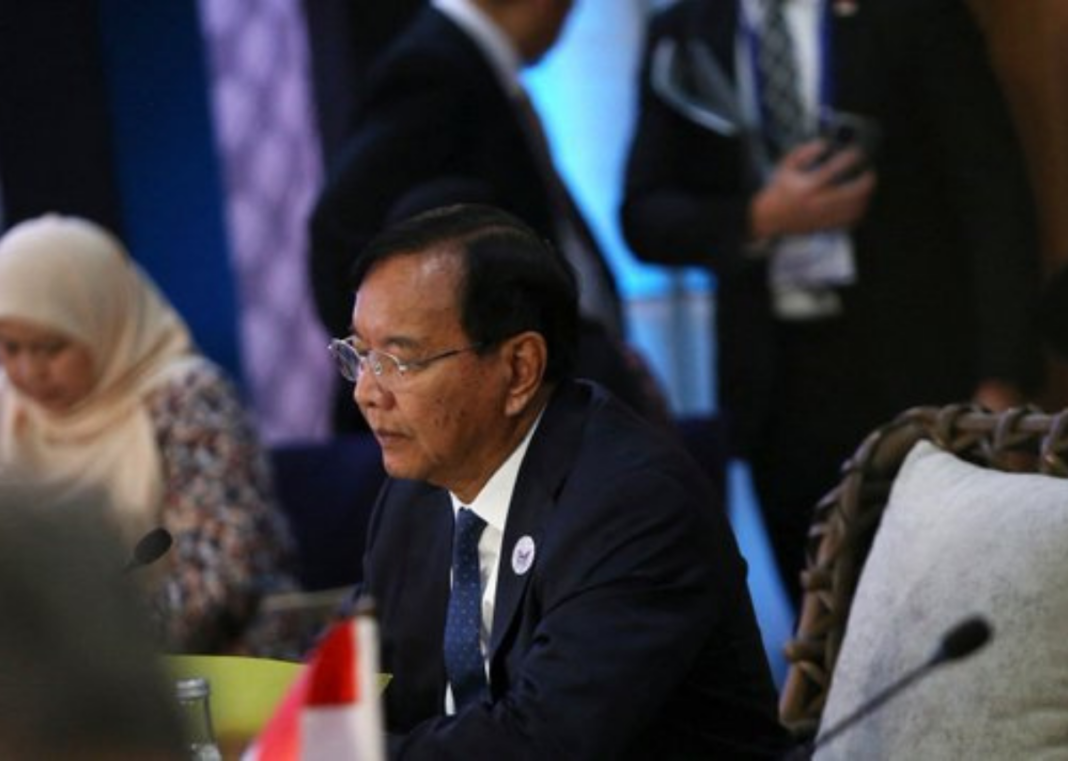
Cambodia has delegated its Foreign Minister, Prak Sokhonn, to act as its agent for the proceedings, while also appointing Danish diplomat Peter Taksøe-Jensen and French academic Jean-Marc Thouvenin to the Conciliation Commission. Taksøe-Jensen previously chaired the commission that undertook negotiations between East Timor and Australia. OEDigital
The conciliation process relies on a five-member commission. Thailand has a three-week window from receipt of the notice to appoint two representatives of its own. If Thailand declines to make those appointments within 21 days, Cambodia can request the UN Secretary-General to appoint conciliators on Bangkok’s behalf. Once the five members are in place, they jointly select a chair to oversee the commission. business-standardThe Star
Thailand’s Response
Thai Prime Minister Anutin Charnvirakul, who made the cancellation of the 2001 pact part of his February election campaign, said he was not aware that Cambodia had initiated the conciliation process. “Thailand has not yet determined when it will proceed further,” he told reporters. business-standard
Thailand has repeatedly opposed taking disputes with Cambodia to international mechanisms, including proposals to bring cases before the International Court of Justice, insisting that the issue should be resolved through direct talks between the two countries. Anutin referenced UNCLOS principles on Tuesday, signalling Bangkok may seek to keep the dispute framed within its preferred bilateral framework. business-standard
The Cambodian and Thai prime ministers, alongside Philippine President Ferdinand Marcos Jr., were photographed shaking hands at a trilateral meeting during the ASEAN Summit in Cebu just weeks before Phnom Penh filed the UN notice, BusinessWorld reported, illustrating the sharp divergence between formal diplomatic appearances and the accelerating legal confrontation.
The Land Border Ceasefire Holds — For Now
A ceasefire has been in place between the two countries since late December following two rounds of fighting along stretches of their 817-kilometre land border last year, the first of which ended after an intervention by US President Donald Trump. Although both sides remain under that ceasefire agreement, mistrust between Bangkok and Phnom Penh persists. business-standardbusiness-standard
Cambodia’s move underlines the potential divergence between the neighbours in resolving long-standing border disputes, as the fragile ceasefire that ended last year’s deadly land border conflict continues to hold. business-standard
Background
The Southeast Asian nations have disputed maritime territories and the demarcation of their 800-kilometre land border for decades, a legacy of the French colonial era. Thai Prime Minister Anutin Charnvirakul made the cancellation of the 2001 pact part of his February election campaign. The expected outcome of the UNCLOS conciliation process, while non-binding, is a final commission report likely to steer both nations toward a Joint Development Area framework — a model used in other unresolved offshore energy disputes globally. Thailand has previously stated it views UNCLOS as a reference framework for direct negotiations rather than as a basis for third-party rulings. Outlook Business + 2
What Happens Next
Thailand has exactly three weeks from June 2 to respond to the submission and appoint its two representatives to the five-member conciliation commission. If Bangkok refuses to participate, the UN Secretary-General holds the authority to make those appointments on its behalf, keeping the process moving regardless of Thailand’s cooperation. Cambodia’s government confirmed that once all five conciliators are appointed, they will jointly select a chair, with the overall process overseen by the UN Secretary-General. Thailand’s foreign ministry did not immediately respond to requests for comment from Reuters on Tuesday. Both nations remain obligated under international law to engage in good-faith negotiations based on the commission’s findings, regardless of the report’s non-binding legal status. business-standard + 2