
Indian Rupee Posts Best Weekly Gain in 11 Weeks After Iran Deal, but Dollar Surge and Hormuz Closure Threaten to Reverse Relief
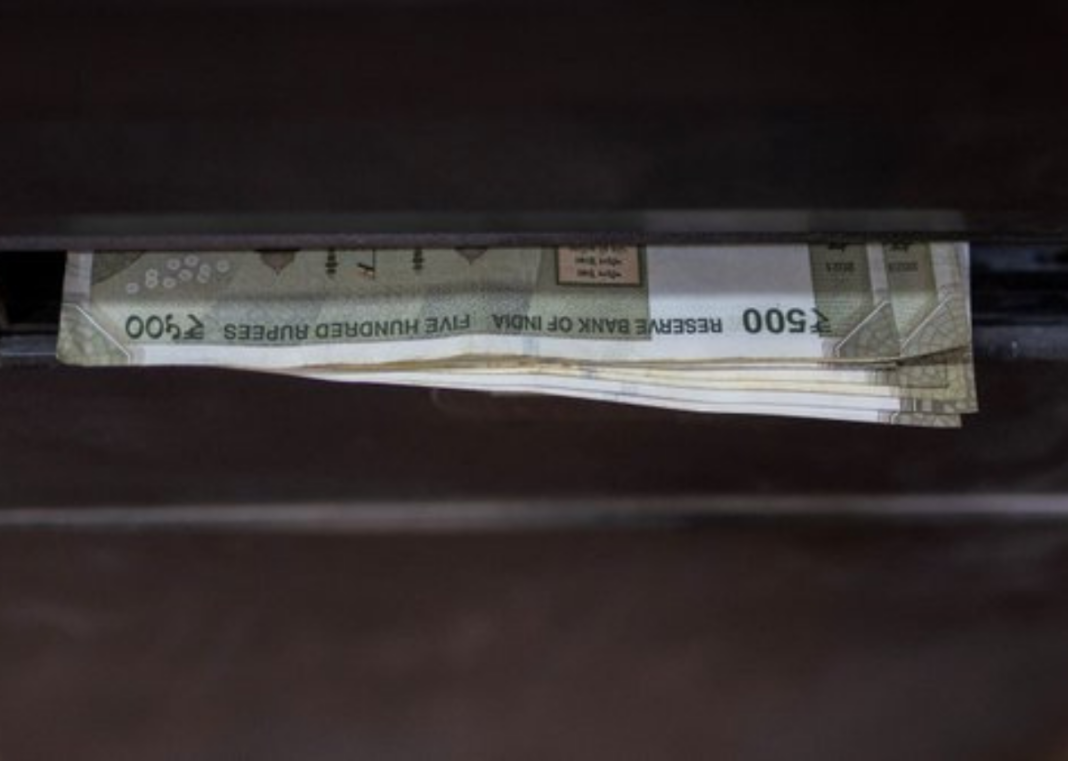
The Indian rupee rose 0.8% last week to 94.32 against the US dollar — its strongest weekly performance in 11 weeks — after a fall in crude oil prices following the signing of the US-Iran memorandum of understanding on June 18 gave India’s currency its first significant breathing room since the conflict began in February. The rupee briefly touched 94.18 on Friday, its strongest level since May 7, before surrendering some of those gains as the US dollar rallied on Federal Reserve signals that interest rate increases remain on the table. The week ahead will be shaped by whether the oil price fall holds and whether the dollar’s resurgence intensifies, Reuters reported on Monday.
The relief, however, arrived with an immediate caveat: Iran declared the Strait of Hormuz closed again on Saturday, June 20, citing continued Israeli strikes in Lebanon as a breach of the MoU, and US President Donald Trump threatened on Sunday to restart military action — developments that sent oil prices rising again and cast fresh uncertainty over whether the currency’s recovery can be sustained.
The Twin Drivers Pulling in Opposite Directions
The rupee has been pulled between two dominant forces for months, and last week illustrated the tension plainly. Oil’s influence had been the primary driver since February; the Iran deal’s immediate effect on crude prices gave the rupee room to recover. But the dollar’s resurgence now threatens to reassert itself as the dominant variable.
“Oil had been the dominant driver for the rupee for some time. Now, the dollar is back in focus, which means you have to pay attention to incoming US data,” said Kunal Kurani, Vice President at Mecklai Financial.
The dollar index rose 1.1% last week to its highest level in a year. US two-year Treasury yields climbed following the Federal Reserve’s latest policy update, which reinforced expectations of tighter monetary policy. The Fed struck a more hawkish-than-expected tone on rates and inflation at its most recent meeting, prompting markets to abandon expectations of rate cuts and raise the odds of a rate hike this year to 31%, according to Whalesbook.
This Week’s Data Risk
Investors this week will focus on a series of US economic releases that could sharpen or soften those expectations. Key releases include durable goods orders and the personal consumption expenditures price index — the Fed’s preferred inflation gauge — both of which carry direct implications for the dollar’s near-term trajectory and, through it, the rupee.
Should US data come in hot, pushing the dollar higher, India’s import-heavy current account could face renewed pressure. India imports approximately 90% of its crude oil requirements — a structural vulnerability that makes the currency uniquely exposed to both the oil price and the dollar simultaneously.
Bond Market Responds to Oil Drop and Foreign Inflows
India’s government bond market posted a fourth consecutive week of gains. The yield on India’s 10-year benchmark bond ended the week at 6.8533%, down 5 basis points, extending a run of declines tied to falling crude prices and accelerating foreign investor purchases following measures taken by the Reserve Bank of India on June 5 to boost inflows.
Foreign investors bought 213.5 billion rupees — approximately $2.26 billion — of Indian government bonds so far in June as of Monday, most of it after the RBI’s June 5 measures. The total has already reached a 15-month high, with traders expecting further purchases before month-end.
“From the Asian bond investor’s perspective, India remains one of the higher-yielding investment-grade bond markets. It is highly liquid and significant progress has been made in its settlement process,” said Wontae Kim, Portfolio Manager at Western Asset Management.
Bond yields surrendered some of their weekly decline on Friday, ending the day higher, on profit-booking — a sign that the rally’s conviction is conditional on external developments remaining benign.
The Hormuz and Trump Variables
The rapidity with which the week’s relief could unravel was demonstrated by Sunday’s events. Iran said it had again closed the Strait of Hormuz following Israeli strikes in Lebanon. Trump threatened to restart military operations even as Vice President JD Vance was in Switzerland for the first implementation talks under the MoU. Oil prices rose on the Hormuz closure announcement, reversing a portion of the previous week’s decline.
Iran’s IRGC Navy warned vessels not to approach the waterway on Saturday. US Central Command said the closure was not being observed in practice, with 55 merchant ships transiting the strait on Saturday moving more than 17 million barrels of oil — but market uncertainty around Hormuz’s operational status is enough to move crude prices and, through them, the rupee.
“While government bond yields could move lower in the near term, we do not expect a material or sustained decline,” said Anurag Mittal, Senior Executive Vice President and Head of Fixed Income at UTI AMC.
Traders expect India’s 10-year bond yield to trade within a 6.80%–6.90% range this week, with oil prices and foreign flows the primary swing factors.
Background
The rupee hit a record closing low of 95.63 against the US dollar in May, as crude prices linked to the Iran conflict, a hawkish Federal Reserve, rising US Treasury yields, and net foreign equity and bond outflows of more than $19 billion converged to strip the currency of support. The RBI held its repo rate at 5.25% at its June 5 meeting for the second consecutive time, and alongside the rate decision announced a package of measures designed to attract foreign bond investment. US retail inflation reached a three-year high of 3.8% in April, cementing the shift in market expectations toward Fed tightening that has kept the dollar elevated against emerging market currencies including the rupee throughout the period.
What Happens Next
The week’s key market events are the US durable goods orders release and the PCE price index, both of which will be closely scrutinised for signals about whether the Federal Reserve has scope to hold rates or is likely to move toward a hike. Traders said the 10-year Indian government bond yield is expected to remain in the 6.80%–6.90% range for the week, barring a significant development on the oil front. The pace of foreign bond inflows — which have reached a 15-month high — will be monitored for signs of continuation as month-end approaches. Whether Iran lifts the Hormuz closure and whether Trump’s threat to restart hostilities escalates into action will be the primary geopolitical variables determining whether the rupee can extend its gains or surrenders them in the week ahead.