
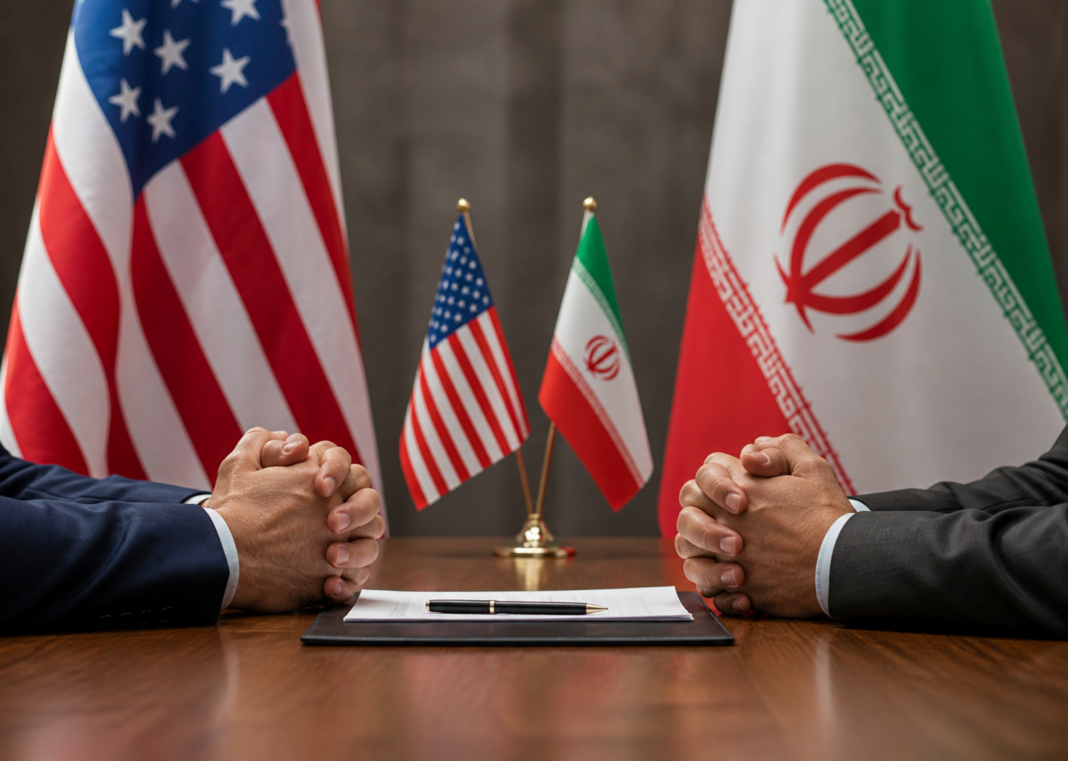

Iran’s thrown out this 14-point proposal to the U.S.—a pretty bold move, considering the current chaos across the Middle East. The main idea? Find a way to dial down the tension and maybe even start fixing the mess that’s been getting worse between them for years. Iran sent the proposal through intermediaries. So, again, they’re not talking face-to-face, but it does suggest Tehran actually wants some kind of dialogue as long as they protect their own interests.
It’s not like things are calm right now—on the contrary. Military posturing, economic pressure, and old grudges between the U.S. and Iran just keep stacking up. Sending a detailed plan is Iran’s way of saying, “Look, we’ll talk, but you have to give something, and we’ll do it in steps.” They’re not bargaining from a position of weakness—this is all about mutual exchanges and a slow rollout.
At the heart of their proposal is a two-step process. First, they want to stop the immediate shooting and threats. Then, they’d tackle the deeper issues that make this whole relationship so volatile. The idea is to separate the urgent stuff—like military clashes and economic strangleholds—from the bigger, stickier strategic problems.
Step one is all about putting the brakes on military action. That means both sides chill in hotspots like the Strait of Hormuz so international shipping isn’t constantly at risk. Iran also wants some sanctions lifted and blockades eased. They’re hurting economically, and they want to start thawing things out right away. If that works, it gives them a chance to talk seriously about the more complicated stuff.
The second stage is where things get tough. This is where Iran and other countries have talks, about Iran’s nuclear work and the United States sanctions. They also talk about regional security arrangements. These are the things that always slow down the negotiations.. Iran is trying to avoid a big argument right now. Iran wants to create some space to think before things get worse. Iran’s nuclear work is an issue. The United States sanctions are also a problem. Iran wants to find a way to deal with these issues without making things worse.
So what’s actually in these 14 points? We don’t have every detail, but a few key demands have leaked out. Iran wants U.S. sanctions lifted or at least relaxed. They want access to their frozen assets. U.S. troops should pull back from certain Middle East hot spots. Iran wants guarantees that it won’t get attacked again, plus solid plans to keep the shipping lanes open—especially near Hormuz. And then, they’re open to talking about their nuclear program, with possible oversight or updates to current agreements.
Make no mistake: Iran’s priorities are clear—relief from sanctions, security guarantees, and acknowledgment of their regional reach.
Because the U.S. and Iran aren’t exactly on speaking terms, a go-between delivered the proposal. That says a lot about the lack of trust. Mediators are often the grease in these diplomatic gears—they clarify, interpret, and help avoid missteps. The presence of a middleman also shows that, even with all the suspicion, neither side has walked away from negotiation for good.
How’s the U.S. taking all this? With a heavy dose of skepticism. No one in Washington has jumped to endorse the plan, and concerns stick around—especially about Iran’s intentions or how workable any of this actually is. U.S. officials want tougher measures on Iran’s nuclear projects, its regional proxy groups, and its missiles. Unless the proposal tackles those issues, it’s going to hit a wall in D.C.
Still, the U.S. does care about preventing things from spinning further out of control. Nobody really wants another war in the region—too many economic and political costs. So there’s a weird tension: both sides are interested in talks, but their bottom lines don’t match up.
This proposal is not about United States and Iran relations. What happens between United States and Iran affects the region and even the entire world. The Strait of Hormuz is a route for a large part of the worlds oil supply. If this route is disrupted it impacts economies, over the world. If the talks are successful people everywhere will feel a bit more at ease. If the talks fail the situation becomes more unstable.
From Tehran’s perspective, this plan’s a way to show they’re willing to play ball, while also shifting some responsibility to Washington. They’re signaling they won’t just sit back and take pressure without replying.
That said, this is a big mountain to climb. Old hatreds, different goals, and domestic politics in both countries make a breakthrough a long shot. Arguments about when and how sanctions get lifted, how hard to press on nuclear limits, and what role allies or partners play aren’t going to disappear overnight. Plus, politicians at home—for both the U.S. and Iran—have their own axes to grind.
In the end, Iran’s proposal is a significant step, at least in tone. A phased, two-level approach shows they want to lower the heat and maybe build toward a real discussion. But whether this becomes a new opening for talks or just another round in a decades-long standoff? That’s still wide open. Right now, everyone’s waiting to see if these signals turn into real progress—or just more diplomatic noise.


