
Rand Falls 0.6% as US-Iran Talks Collapse, Oil Surges
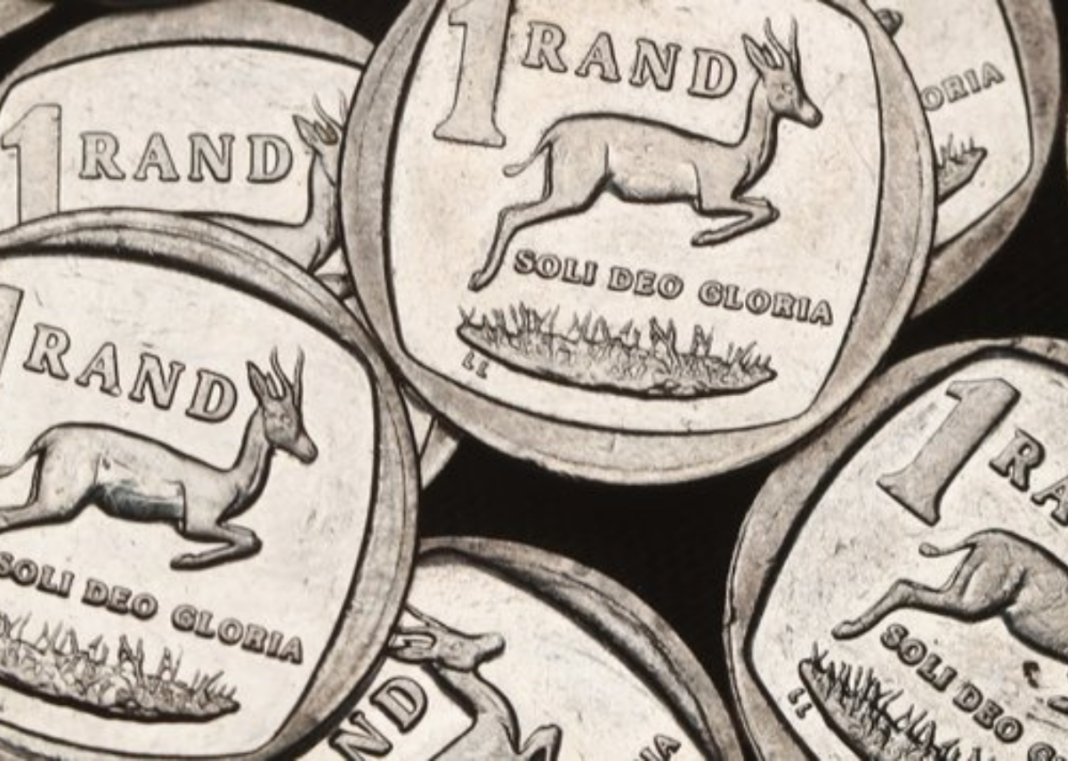
South Africa’s rand weakened 0.6% against the dollar on Monday after U.S. President Donald Trump rejected Iran’s peace counterproposal, sending oil prices above $100 a barrel and stoking fears that inflation in emerging markets will prove harder to tame. The rand of South Africa is still feeling the effects of this situation. At 0640 GMT, the rand traded at 16.4626 against the dollar, about 0.6% down from its previous close, according to Reuters. CNBC Africa
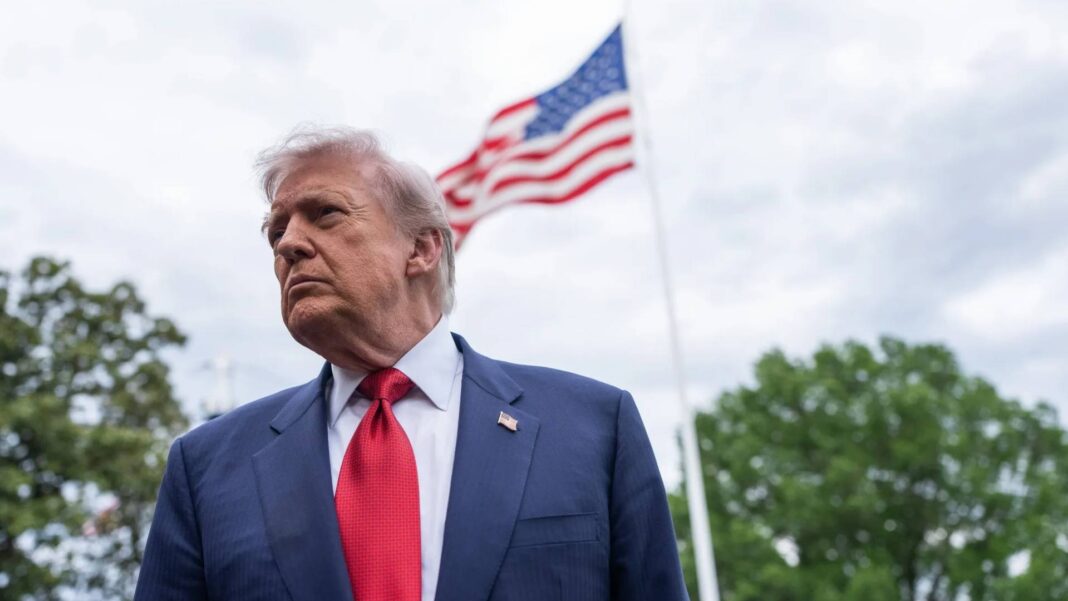
Trump on Sunday soundly rejected Iran’s counterproposal to end the war with the U.S. and Israel, posting on Truth Social: “I have just read the response from Iran’s so-called ‘Representatives.’ I don’t like it — TOTALLY UNACCEPTABLE!” CNBC
Iran had sent its proposal through mediators in Pakistan, stressing the need to end the war on all fronts and demanding that the U.S. lift sanctions on Iranian oil sales over a 30-day period and end the naval blockade on Iran, according to Iran’s semi-official Tasnim news agency. CNBC
Trump’s rejection ended a brief window of diplomatic optimism that had built over the previous week. Oil prices surged on Monday amid concerns the 10-week-old conflict will drag on, keeping shipping through the Strait of Hormuz paralysed. Brent crude pushed above $100 a barrel — a level not seen before the conflict began. The Irish Times
For South Africa, the timing is particularly damaging. Adam Phillips, treasury specialist at Umkhulu Treasury, wrote in a research note on Monday: “The ZAR has lost a tiny bit of ground today, with Trump’s latest not moving it that much, but I would still expect a test higher, with a higher oil price.” The comment suggests traders expect the rand to weaken further if the diplomatic impasse holds. CNBC Africa
South Africa imports all of its crude oil. Higher prices translate almost immediately into fuel inflation, which feeds through to transport costs, food prices and household budgets — making it a direct conduit between Middle East conflict and domestic living standards.
South Africa’s benchmark 2035 government bond was also weaker in early deals on Monday, with the yield rising 6.5 basis points to 8.695%. Rising bond yields signal that investors are demanding higher returns to hold South African debt, raising the country’s borrowing costs at a moment when the fiscal position is already under pressure. CNBC Africa
The South African Reserve Bank (SARB) has spent much of 2026 trying to navigate between a recovering domestic economy and a deteriorating global inflation outlook driven by the Middle East conflict. At its March 26 meeting, the SARB held its key repo rate at 6.75% for a second consecutive pause, citing upside risks to the inflation outlook from the ongoing Middle East conflict. Policymakers noted that headline inflation was moving toward the 3% target in February, but warned that higher energy prices are expected to push inflation higher in the near term, with fuel inflation projected to exceed 18%. TRADING ECONOMICS
The SARB’s latest Monetary Policy Review, published on April 21, warned that “the escalating conflict in the Middle East and rising oil prices have renewed upward pressure on global inflation.” Markets, which had previously priced in rate cuts, are now pricing in rate hikes — the review states that “markets are now anticipating policy rate increases,” with scope for around two 25-basis-point increases this year. That contrasts sharply with the two cuts that had been anticipated just before the conflict began. Daily Maverick
SARB Governor Lesetja Kganyago has been unambiguous about the bank’s priorities. “We have learned our lesson from the previous shock of 2002 where the target was lowered, and when the shock came, we decided to go back to the old target. It was a costly macroeconomic lesson,” Kganyago said. “This time round, the inflation target is 3% and it remains 3%.” Daily Maverick
That commitment, while credible in the long run, creates real pain in the near term. Independent economist John Loos warned that higher petrol prices will squeeze households’ ability to repay debt: “Petrol prices have jumped and if there is another increase in the fuel price, that will have a broader impact on homeowners’ ability to repay bonds as transport costs start to squeeze and there are increased pressures on income.” Daily Maverick
Regional and Global Impact
The rand’s decline is one of several emerging-market currencies feeling the pressure of elevated oil prices. Unlike commodity exporters such as Canada or Australia, South Africa earns no direct windfall from rising crude — it only absorbs the cost. That asymmetry makes the rand structurally more exposed to oil shocks than many of its peers.
With Trump due to visit Beijing on Wednesday, there is mounting pressure on China to use its influence to push Iran toward a deal. Washington has sought to press Beijing to lean on Tehran to reopen the Strait of Hormuz, though China’s appetite to act as a pressure mechanism remains unclear. Beijing hosted Iranian Foreign Minister Abbas Araghchi last week, with Chinese top diplomat Wang Yi reaffirming the “strategic partnership” between the two countries while urging Tehran to pursue a diplomatic resolution. CNBCCNBC
Any easing of tensions that reopens the strait fully would relieve oil price pressure and likely support a rand recovery. A prolonged standoff, however, keeps inflation risk elevated and makes rate cuts increasingly remote. The SARB has already modelled two Iran conflict scenarios — a short-term two-month scenario and a prolonged one-year scenario — both implying the need for higher interest rates in South Africa. TRADING ECONOMICS
Background
The U.S.-Iran conflict began approximately ten weeks ago, causing widespread damage in Iran and Lebanon, paralysing maritime traffic in the Strait of Hormuz, and driving up global energy prices. Oil prices are around 50% higher since the U.S. and Israel attacked Iran. South Africa’s repo rate currently stands at 6.75%, following a rate-cutting cycle that had brought it down from a peak above 8% in 2023 and 2024. South Africa’s finance minister has acknowledged that his fiscal projections had effectively “gone” after the conflict erupted. The rand has been sensitive to the conflict throughout, having faced similar pressure the previous Monday when oil prices spiked on news of escalating U.S.-Iran tensions. CNBC Africa + 2
What Happens Next
South Africa-focused investors will this week assess unemployment figures, manufacturing production data, and mining output, which will shed light on the health of Africa’s most industrialised economy. These will show how well Africas industrialised economy is doing. Trump’s visit to Beijing on Wednesday is the next major diplomatic flashpoint, with the White House expected to press China to lean on Tehran. The SARB’s next Monetary Policy Committee meeting will take place against a backdrop of substantially revised inflation forecasts — the bank raised its 2026 headline inflation projection to 3.7% from an earlier estimate of 3.3%. If oil prices remain above $100 a barrel through the second quarter, markets expect the SARB’s next move to be a rate increase rather than a cut. Any resumption of peace talks between Washington and Tehran would be the single largest variable for both the rand and the SARB’s policy path.