

Israeli National Security Minister Itamar Ben Gvir rejected a potential ceasefire with Lebanon on Monday, telling members of his Otzma Yehudit party that the entire country should be treated as a target for Israeli operations. The remarks came during the party’s weekly faction meeting at the Knesset. Ben Gvir also called on Prime Minister Benjamin Netanyahu to tell US President Donald Trump that Israel cannot accept a ceasefire agreement.
Ben Gvir told the faction meeting that Netanyahu should approach Trump directly and inform him that Israel is unable to fulfill any such deal. “Netanyahu needs to go to President Trump, embrace him and say to him: ‘President Trump, thank you, but what can we do, we cannot fulfil this agreement,'” he said.
He framed the rejection around Israel’s response to attacks on its soldiers. “You wouldn’t tolerate having Nazis on your border. You wouldn’t tolerate your soldiers being attacked and being limited in terms of the response. Our response must be 100 percent,” he said. He added that Israel’s tolerance for the United States’ position has a limit. “I want to say thank you to the Americans, but our red line is harming soldiers and harming civilians,” he said.
Ben Gvir went further by drawing a direct comparison between Beirut and Beit Hanoun, the northern Gaza town largely destroyed during Israel’s campaign in the besieged Palestinian enclave. “The equation must be very simple and clear: the State of Israel must be safe. If Israel is not safe, Beirut will look like Beit Hanoun,” he said.
In a separate video circulated by Quds News Network on June 21, Ben Gvir said all of Lebanon, not just Hezbollah-linked areas, should be considered fair ground for Israeli action. He repeated the same message during an appearance on Israel’s Channel 14, stating that all of Lebanon should function as Israel’s “playground.”
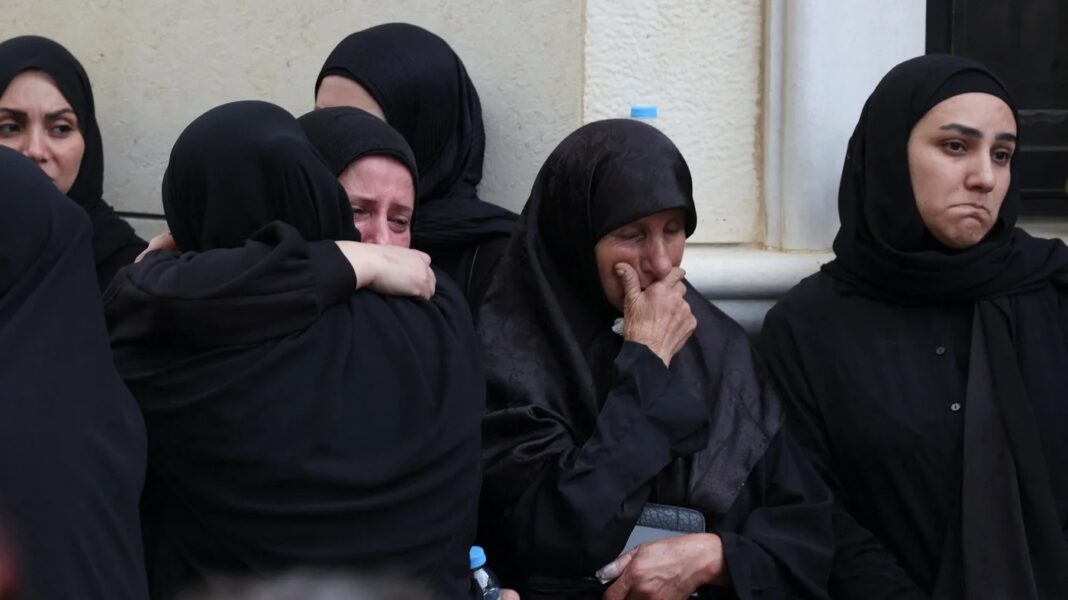
Ben Gvir also restated comments he made over the weekend ruling out any restraint tied to Lebanese civilian casualties. He said no Israeli mother’s tears can be tolerated, adding that the suffering of Lebanese mothers would not change Israel’s approach. He rejected separating military targeting of Hezbollah from the rest of Lebanon, arguing that Hezbollah members operate within the Lebanese government itself, and said “all of Lebanon should be our goal.”
Regional and Global Impact
The comments come as Israel’s expanding military footprint in Lebanon and intensifying air strikes across the south and east of the country have complicated ceasefire negotiations between Iran and the United States, talks being mediated with help from Pakistan and Qatar. The Lebanon front has become a central point of friction between the Trump administration and the Israeli government. Israel has repeatedly declined US and G7 calls to withdraw troops from southern Lebanon throughout the ceasefire process.
Hezbollah has urged the Lebanese government to refuse direct negotiations with Israel as long as Israeli strikes on Lebanese territory continue. The Lebanese government, by contrast, had expressed hope that the broader US-Iran agreement could bring an end to the hostilities affecting Lebanon.
Background
Lebanon’s Ministry of Health says Israeli attacks since March 2 have killed at least 3,798 people and injured 11,781 others across the country. Ben Gvir leads the far-right Otzma Yehudit party and sits in Netanyahu’s governing coalition as national security minister. His latest remarks follow earlier statements in which he declared that “all of Lebanon must burn.” Israeli strikes have continued in southern Lebanon even after a ceasefire deal was reportedly reached, with at least 29 people killed in one strike the day after that agreement, according to Middle East Eye reporting. The dispute over a Lebanon ceasefire is unfolding alongside the broader, US-mediated Iran negotiations, which Pakistan and Qatar have helped facilitate.
What Happens Next
Netanyahu has not yet publicly responded to Ben Gvir’s call to reject the ceasefire agreement with Trump directly. Hezbollah has signaled it will continue pressing the Lebanese government to avoid direct talks with Israel while strikes persist. The Lebanese government has not issued a new statement following Ben Gvir’s latest remarks. US officials, including Trump, have previously criticized Israeli strikes that killed Lebanese civilians, and no change in that position has been announced.