
Belgium Issues Five Restricted Visas to Taliban Delegation for First EU-Hosted Meeting Since 2021 Takeover
Belgium issued five single-day visas to a Taliban delegation on Monday, June 22, clearing the way for the first visit by Taliban representatives to a European Union-hosted event since the Islamist group returned to power in Afghanistan five years ago. The visas are restricted to Belgian territory only and are valid for one day, a Belgian Foreign Ministry spokesperson confirmed. Two European officials told Arab News the visas were valid specifically for Tuesday, June 23. The meeting, convened by the European Commission, will focus on the return and readmission of Afghan nationals without a right to stay in the European Union, according to a letter seen by Reuters addressed to Taliban foreign ministry spokesman Abdul Qaher Balkhi.
“These are visas with limited territorial validity and limited duration: only for Belgium — and only for a single day,” a Belgian Foreign Ministry spokesperson said.
What the Meeting Is About
The European Commission invited Taliban officials to Brussels last month to discuss deportations of Afghan migrants, describing the talks as technical and stressing that they do not constitute formal recognition of Taliban rule. The scope of the discussions is narrowly defined on paper: the return of Afghan nationals who have no legal right to remain in EU member states.
Commission spokesman Markus Lammert told the EU’s daily press briefing on Monday that member states were seeking ways to return people who had committed serious crimes and who were possibly a security threat. “This is the initiative that the Commission is now following up on,” Lammert said, but he confirmed the commission’s earlier position that the talks are technical in nature and stop short of diplomatic recognition.
The deputy head of the Commission’s home affairs department, Johannes Luchner, travelled to Kabul in January for preliminary discussions. He told European lawmakers at the time that while the first priority was the return of criminals, other categories of Afghans with return orders could follow. In a sign of the political sensitivities surrounding those talks, his superior subsequently told EUobserver, in a document access request, that the Commission has no records of Luchner ever meeting the Taliban or travelling to Afghanistan.
Belgium’s Internal Divisions
The visa decision exposed an unusual rift within the Belgian government. Foreign Minister Maxime Prévot said publicly that he personally opposed inviting Taliban representatives to Brussels. He nonetheless confirmed that Belgium could not refuse the visas because, as the host of the EU’s institutions, it was legally and diplomatically obligated to act on a request linked to official European business.
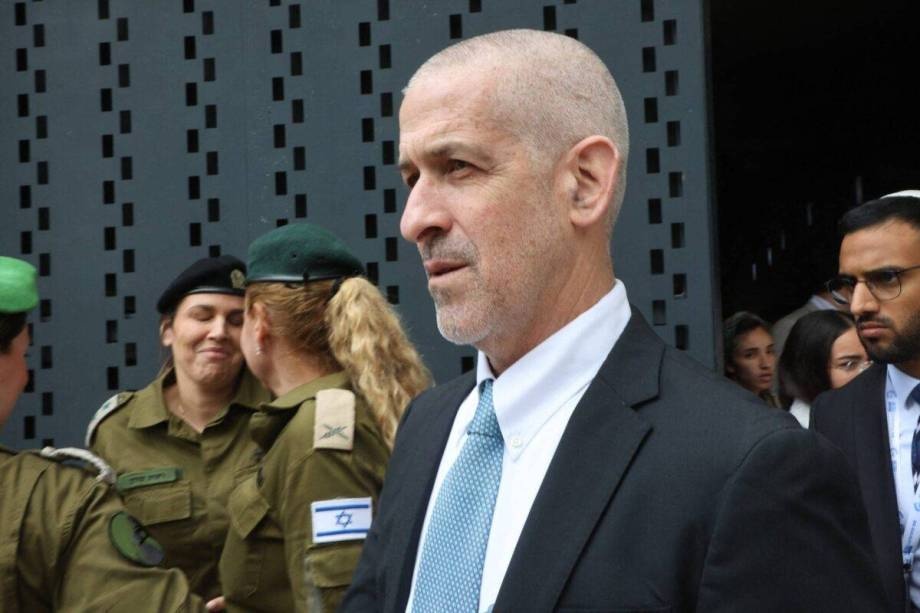
Belgium’s State Security Service approved the five visa applications after conducting a security assessment that found no evidence the individual members of the Taliban delegation posed a security threat. The Belgian government declined to disclose the exact date or timing of the visit, citing security and public order concerns. Belgian authorities confirmed the five visa requests had been submitted the previous week.
Human Rights Groups Demand the EU Cancel the Talks
Human rights organisations have called on the European Commission to abandon the meeting entirely, warning that any engagement with the Taliban risks legitimising a government that has systematically dismantled women’s and girls’ rights since August 2021 — and that facilitating deportations to Afghanistan puts the safety of returnees at grave risk.
“Any engagement with the Taliban needs to prioritise protecting human rights and accountability — not deporting people to danger there,” said Fereshta Abbasi, Afghanistan researcher at Human Rights Watch.
“The desperate scenes of people — including EU staff — fleeing Afghanistan are a recent memory. It is unconscionable that the EU would now try and deport people to Afghanistan, which has only become more dangerous in the meantime,” said Eve Geddie, Director of Amnesty International’s European Institutions Office.
The EU has not publicly identified which Taliban officials were invited to the Brussels meeting. Several senior Taliban leaders are subject to EU sanctions. The Commission’s decision not to disclose the names of the delegation members has drawn additional criticism from civil society groups arguing that the lack of transparency makes accountability impossible.
The Legal and Humanitarian Context
Hundreds of thousands of Afghans have sought asylum in Europe since the Taliban’s return to power in August 2021. Afghans are among the nationalities with the highest asylum recognition rates in the EU, reflecting the genuine protection needs that assessors have found across the population. Despite that record, overall EU acceptance rates have tightened as member states have moved to restrict migration more broadly.
EU law allows for deportations of people convicted of serious crimes or deemed security threats in certain circumstances, but returns to Afghanistan have been extremely limited in practice due to the absence of formal diplomatic relations between EU member states and the Taliban government. The talks in Brussels are intended to establish a framework under which those legal returns can actually be carried out — a goal that the Commission argues is separate from, and does not prejudice, broader questions of recognition or human rights engagement.
Background
The Taliban seized control of Afghanistan in August 2021 as US and NATO forces completed their withdrawal, ending a 20-year Western military presence. Since then, the Taliban have banned girls from attending school above primary level, restricted women’s freedom of movement, barred women from most employment, and enforced a morality law that criminalises what the government defines as vice. No UN member state formally recognises the Taliban as Afghanistan’s legitimate government, though several countries maintain varying levels of practical engagement. The European Union has maintained a position of engagement without recognition for operational purposes — including on consular and humanitarian matters — but Monday’s meeting marks the first time Taliban representatives have been hosted at a formal EU venue. The last time EU officials met Taliban representatives on European soil was before the group’s 2021 takeover.
What Happens Next
The Taliban delegation’s visit to Brussels was expected to take place on Tuesday, June 23, according to two European officials cited by Arab News. The European Commission has not indicated whether the outcome of Tuesday’s technical talks will be made public or what mechanism, if any, would govern agreed deportation procedures. Whether the meeting produces a workable returns arrangement — or whether human rights objections, the absence of formal diplomatic relations, and the legal complexity of deporting people to Taliban-governed Afghanistan prevent any practical agreement — will determine whether the EU pursues further engagement. Human Rights Watch and Amnesty International said they would continue pressing EU member states and the Commission to ensure any engagement with the Taliban prioritises human rights protection rather than migration management.