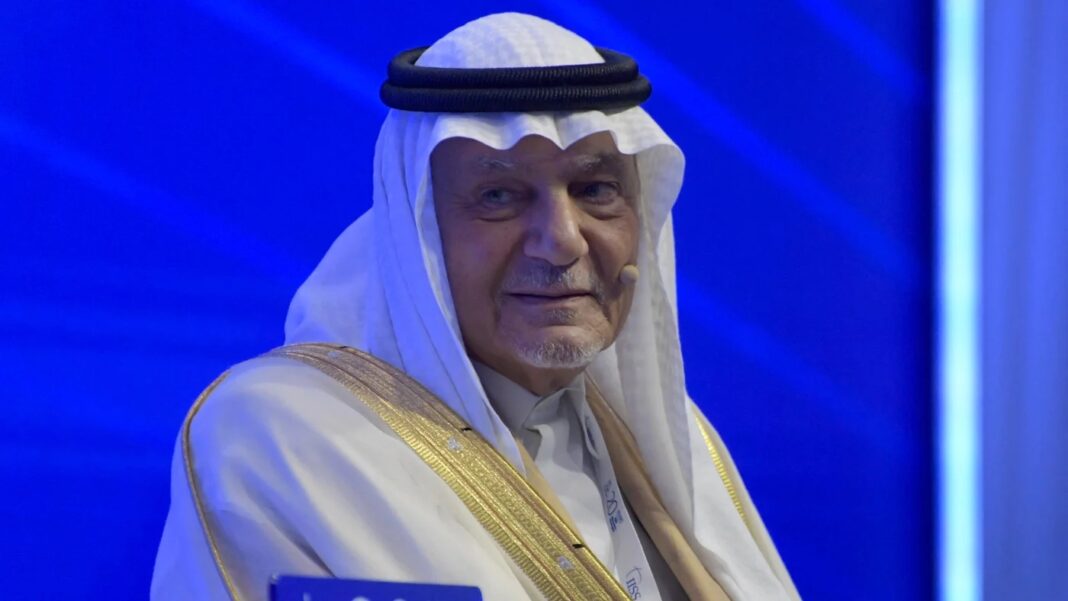
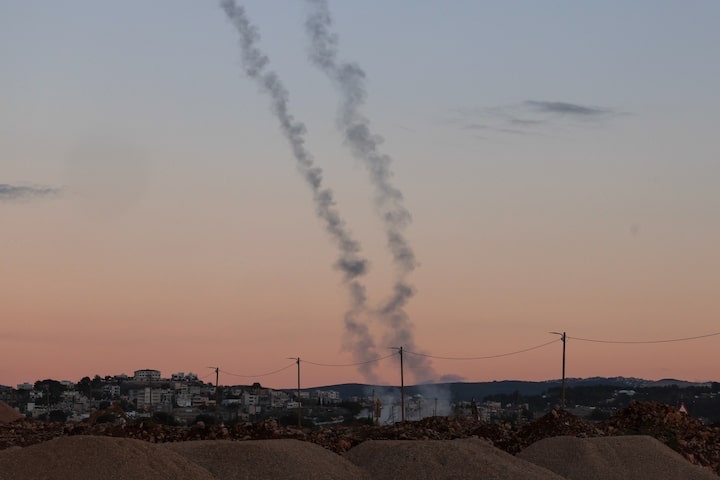

Yuval Steinitz, chairman of Israeli state-owned defence company Rafael Advanced Defense Systems Ltd, said on Monday that Israel’s Iron Dome missile defence system has achieved an interception rate of approximately 98 to 99 percent against rockets fired by Hamas and Hezbollah, and has stopped most ballistic missiles launched by Iran. Steinitz made the remarks on May 11 at a conference hosted by the Jerusalem Center for Security and Foreign Affairs in Tel Aviv. The figures cover the period from the October 2023 Hamas raid on Israel through the current conflict, according to Reuters.
Steinitz told the conference that Hamas in Gaza and Hezbollah in Lebanon combined have fired approximately 40,000 rockets at Israel since October 2023. That volume represents one of the heaviest sustained rocket campaigns Israel has faced since Iron Dome entered operational service.
“Iron Dome intercepted most of them with success rates that are not 100% but close to 100%. It’s around 98%, even 99%, so it’s not perfect, but almost,” Steinitz said.
Iranian Ballistic Missiles
The chairman also addressed Iron Dome’s performance against Iran directly. Iran has fired approximately 1,500 ballistic missiles at Israel across two rounds of fighting since 2024, and Steinitz said only “several dozens” were not intercepted. He did not specify which round of fighting produced the higher proportion of failures, nor did he identify which Israeli defence layer — Iron Dome, David’s Sling, or Arrow — was responsible for the bulk of those intercepts against ballistic threats, which typically fall to higher-tier systems.
Steinitz also stated that there was no shortage of missile interceptors, a point intended to counter concerns that sustained high-tempo operations could deplete Israel’s stockpile of Tamir interceptor rockets.
Cluster Missile Challenge
The claim of near-total effectiveness comes alongside separately reported complications. Al-Monitor reported in March 2026 that Iranian missiles equipped with cluster bomb warheads had posed an additional challenge for Israeli air defences during the current conflict, forcing defenders to make difficult choices about how to allocate interceptors against dispersing submunitions. Steinitz did not address that specific challenge in his remarks at the May 11 conference, according to Reuters.
Regional and Global Impact
The public performance figures carry weight beyond Israel’s borders. Several Gulf states, including the United Arab Emirates, have faced their own missile threats during the conflict with Iran. Wikipedia noted that during the 2026 Iran war, Israel deployed an Iron Dome battery to the UAE at the request of President Mohamed bin Zayed Al Nahyan — the first time the system had ever been sent outside Israel. That deployment extended Iron Dome’s operational footprint across the Gulf and put its advertised performance rates under international scrutiny.
For defence procurement decisions across the region and among US allies, Steinitz’s figures will feed directly into assessments of whether Iron Dome or comparable systems represent a viable foundation for missile defence architecture at scale. The US has co-funded Iron Dome extensively — contributing a total of $1.6 billion between 2011 and 2021, with a further $1 billion approved by Congress in 2022, according to available records.
Background
Iron Dome was developed by Rafael Advanced Defense Systems in partnership with Israel Aerospace Industries and was declared operational in March 2011. The system is designed to intercept short-range rockets and artillery shells fired from distances of 4 to 70 kilometres whose trajectories would carry them into populated areas. It deliberately ignores rockets projected to land in open fields. The October 7, 2023 Hamas attack triggered the current phase of sustained conflict, during which Israel has also exchanged fire with Hezbollah in Lebanon and faced Iranian ballistic missile salvos. Iran and Israel have engaged in two distinct rounds of direct missile exchanges since 2024. Rafael is a state-owned company, and Steinitz, a former Israeli finance and energy minister, has served as its chairman.
What Happens Next
Rafael has not announced any changes to Iron Dome production capacity or interceptor stockpile levels beyond Steinitz’s assurance that no shortage exists. Israel’s multi-layered air defence network — which includes Arrow for ballistic missiles, David’s Sling for medium-range threats, and Iron Dome for short-range rockets — remains active as the conflict with Iran continues. No independent verification of the 98–99% figure has been published alongside Steinitz’s remarks. The Jerusalem Center for Security and Foreign Affairs conference where Steinitz spoke has not released a full transcript or official proceedings as of Monday.