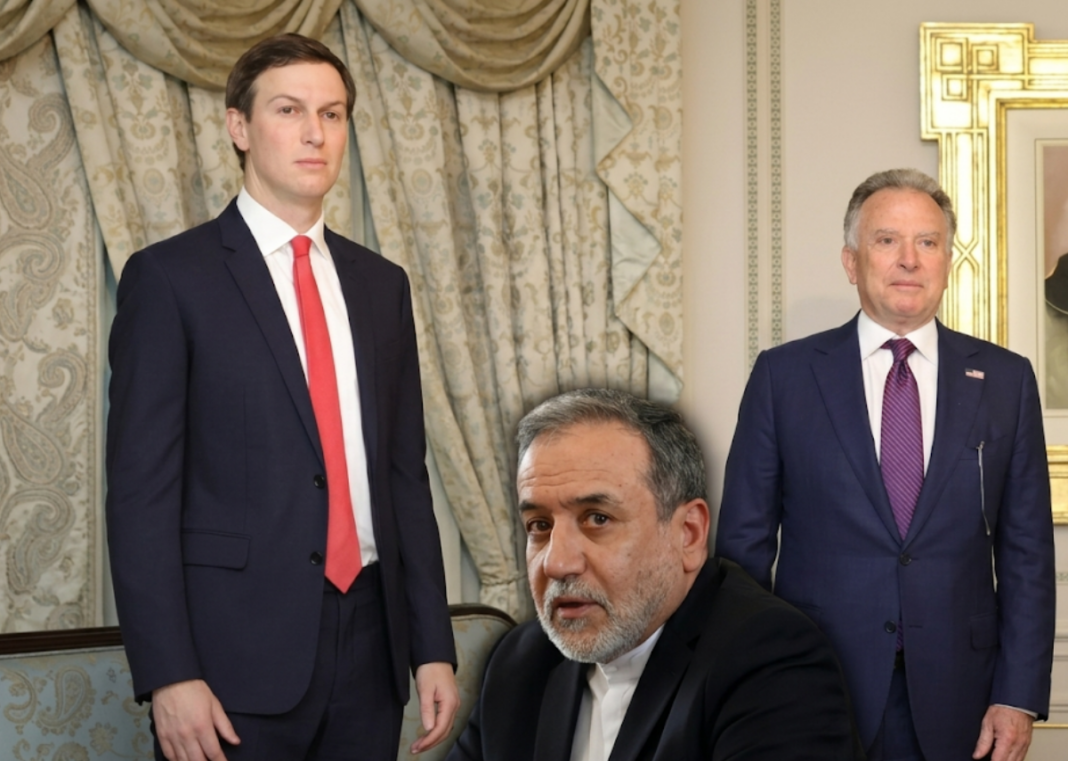

WASHINGTON / ISLAMABAD, April 24, 2026 — President Trump is sending Steve Witkoff and Jared Kushner to Pakistan this weekend for a meeting with Iranian Foreign Minister Abbas Araghchi, according to sources CNN spoke with. Pakistan’s playing the role of host, giving these talks a fresh shot in a diplomatic push between the US and Iran.
If this actually happens, it’s a pretty big deal considering all the regional tensions – Washington and Tehran haven’t exactly been chummy lately. Still, neither side has made anything official yet, so it’s all whispers and anonymous sources for now.
High-Level Delegation Heads to Pakistan
As CNN’s report puts it, Trump signed off on two big names: Witkoff, now serving as his special envoy, and Kushner, who’s well-known for his earlier Middle East efforts under Trump’s last stint in the White House. They’re supposed to meet Araghchi in Pakistan. The Iranian minister’s making the trip too, which tells you this isn’t some casual chat, even though there’s been zero public announcements by any of the governments involved.
Nobody’s released the actual agenda, but senior folks on both sides usually means the conversation’s going to touch on sensitive political and security issues, maybe even the broader region.
Pakistan Steps Into the Spotlight
Hosting this meeting reinforces Pakistan’s status as a regional go-between. Islamabad has managed ties with both Washington and Tehran for years, and sometimes acts as the bridge when other neighbors aren’t talking. Right now, Pakistan’s keeping quiet about the whole event. It’s not clear if they’re just providing the space, or if they’re actively helping both sides hammer out details.
People who keep an eye on diplomacy say Pakistan’s geography and politics make it a natural pick for off-the-record conversations, especially when the US and Iran aren’t getting along.
A Little Context: US–Iran Relations
Let’s face it, relations between the US and Iran have been rocky for decades. Some years they barely talk; other times, things get heated over nuclear programs, sanctions, and military action. Attempts to open dialogue pop up now and then, but it’s mostly been through intermediaries or limited channels. A direct meeting in Pakistan would mark a change, even if it’s still not official.
Both Witkoff and Kushner’s involvement gets noticed by analysts. Kushner’s been around Middle East negotiations before, and Witkoff’s just started showing up in foreign policy moves.
Iran’s Role and the Bigger Picture
Abbas Araghchi leads the Iranian delegation, again according to these sources. He’s got plenty of history with Iran’s diplomatic and nuclear talks, so his presence means Iran’s at least willing to see what diplomatic options are on the table. Still, Iran hasn’t issued any formal statement or confirmation.
Regional experts say talks like these could ripple out to affect stability across the Middle East — energy, shipping routes, alliances, the whole lot.
No Official Word
Despite the media buzz, none of the countries involved — US, Iran, or Pakistan — have confirmed the meeting or said anything about what’s on the agenda. Diplomatic watchers are cautious; high-level meetings like this tend to stay off the radar until plans are nailed down (and sometimes, they don’t happen at all).
This could be early-stage negotiation or just backchannel conversation, not a formal, sit-down deal.
Why This Could Matter
If these talks actually go ahead, it’s a direct line between senior US and Iranian officials for the first time in ages. The presence of top political players suggests both sides are, at the very least, open to examining ways out of old disputes. What comes from it — who knows? But the fact that Pakistan’s hosting shows how vital third-party countries can be in opening doors nobody else wants to walk through.
Looking Ahead
Right now, it’s all rumors. No official confirmations, just unnamed sources fueling speculation. Observers are waiting for statements from any of the players — Washington, Tehran, Islamabad — to clear things up.
If this meeting pans out, it could signal a shift toward dialogue instead of confrontation between the US and Iran. And for everyone watching the region, that’s worth keeping an eye on.