
All US Passengers From Hantavirus-Hit Cruise Ship Complete 42-Day Quarantine With Zero Domestic Cases Detected
All United States citizens potentially exposed to the Andes hantavirus aboard the expedition cruise ship MV Hondius completed their mandatory 42-day monitoring period on Sunday, June 21, the Centers for Disease Control and Prevention confirmed. No cases of hantavirus disease occurred in the United States as a result of the outbreak, the CDC said. The declaration closes the domestic public health chapter of a crisis that began on May 2, 2026, when the World Health Organization was notified of a cluster of severe acute respiratory illness among passengers and crew of the ship in the Atlantic Ocean — an outbreak that ultimately killed at least three people and infected 13, drawing comparisons to the early days of COVID-19 and triggering the largest activation of the US National Quarantine Unit since the Ebola response.
“On June 21, all U.S. citizens potentially exposed to hantavirus aboard the M/V Hondius cruise ship finished their 42-day monitoring period,” the CDC said in a statement. “No cases of hantavirus disease occurred in the United States as a result of this outbreak.”
How the Outbreak Unfolded
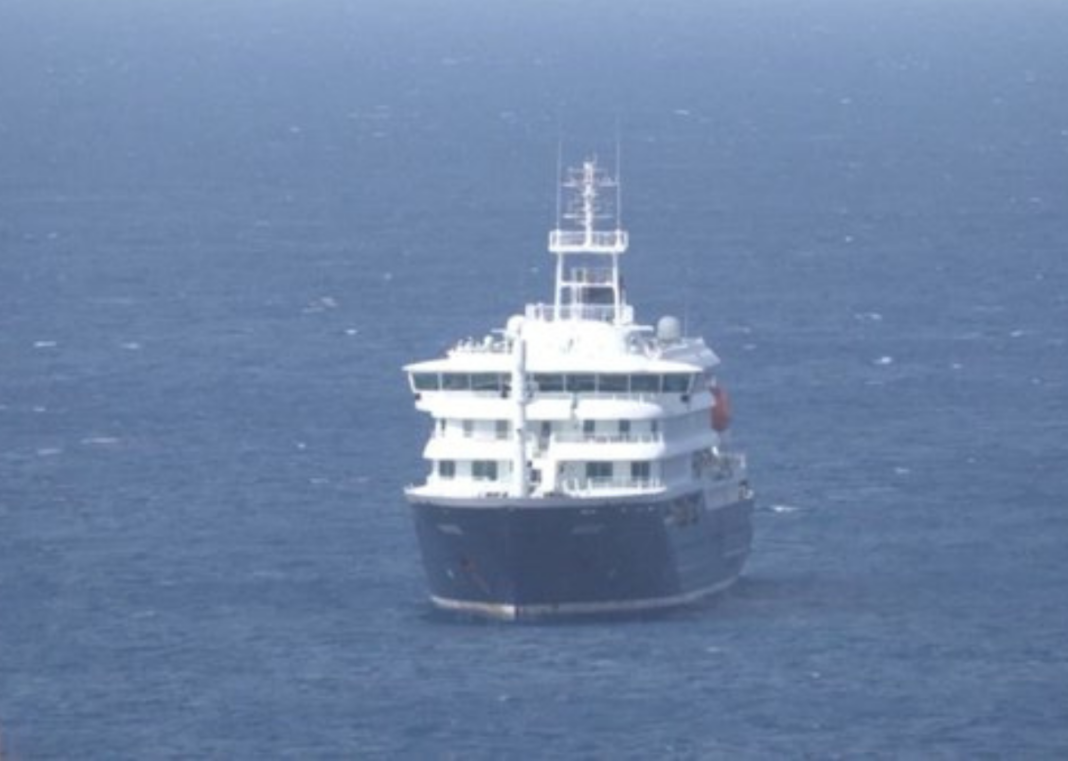
The MV Hondius — an expedition vessel operated by Dutch company Oceanwide Expeditions — departed Ushuaia, Argentina on April 1, 2026, carrying 147 people from 23 countries, including 86 passengers and 61 crew. The itinerary took the ship through some of the world’s most remote waters: Antarctica, South Georgia Island, Tristan da Cunha, Saint Helena, and Ascension Island before heading north across the Atlantic.
A Dutch couple aboard fell ill first. By the time the WHO was formally notified on May 2, three passengers had died — two confirmed to have been caused by hantavirus, with a third death under investigation — and multiple others were showing symptoms consistent with hantavirus pulmonary syndrome. On May 6, WHO confirmed the specific strain responsible was Andes virus.
The CDC sent a team to meet the ship in the Canary Islands, Spain, on May 7, following the vessel’s travel from Cape Verde. On May 10, the ship docked in Tenerife. On May 11, 17 American passengers were repatriated on a US government medical flight to Nebraska, arriving at the National Quarantine Unit at the University of Nebraska Medical Center — one of 13 Regional Emerging Special Pathogen Treatment Centers in the United States. A further American joined the group later, bringing the total to 18.
Several US passengers had already disembarked the ship before the outbreak was identified, returning to their home states independently. Those passengers were monitored by their state and local health departments for a 42-day period that ended on June 6. No cases were detected among that group, and no further public health follow-up was required, the CDC said.
Inside the Nebraska Quarantine
The 18 Americans held at the University of Nebraska Medical Center faced a quarantine that proved more contentious than initially indicated. Passengers said they were told early on that they would be allowed to complete quarantine at home, but that plan was changed. The federal government required states to post a full-time monitor outside passengers’ homes around the clock for the remaining weeks of quarantine — a condition New York initially refused to meet, according to CNN.
“We want these passengers to resume their normal lives. They have been through so much,” officials told passengers during a video call reported by CNN.
Decisions about the monitoring requirements were made at levels of the federal government “above the director of the CDC,” a CDC official confirmed to CNN at the time.
By June 1, five passengers had been released from the NQU and returned home to complete their monitoring. By June 17, 12 of the 18 had returned home, while six remained at the Nebraska unit — all of them symptom-free. By June 21, all 18 had cleared their 42-day window.
The Death Toll and Global Response
The outbreak produced 13 confirmed or probable cases of Andes hantavirus linked to the MV Hondius, and at least three deaths. As of May 15, former passengers were hospitalised or quarantined in Australia, Canada, France, Germany, the Netherlands, Saint Helena, Singapore, South Africa, Spain, Switzerland, Turkey, and the United States — a geographic spread that reflected the international composition of the ship’s passenger list.
One resident of Tristan da Cunha — one of the world’s most remote permanently inhabited islands — was suspected of having contracted the virus after being a passenger on the ship. On May 10, British military personnel from the 16 Air Assault Brigade parachuted down to Tristan da Cunha from a Royal Air Force A400M Atlas aircraft to provide medical assistance.
The MV Hondius arrived in Rotterdam on May 18, where the remaining crew were quarantined and the vessel underwent deep disinfection before returning to service.
The Unsolved Science
Scientists have not conclusively identified where or how the Dutch couple who fell ill first contracted the virus, and that uncertainty carries implications for future outbreak management. The initial theory — that the couple was exposed at a landfill in Ushuaia, Argentina — has been complicated by the fact that long-tailed pygmy rice rats, the rodent species that carries Andes hantavirus, were not found at the site, the journal Science reported on June 11.
The more likely exposure site, according to researchers, is a region along the Argentina-Chile border where the couple had travelled in early February 2026 — raising the question of whether the incubation period in this cluster was unusually long. A 60-day incubation period would be “unprecedentedly long,” wrote correspondent Kai Kupferschmidt in Science. The standard quarantine period for Andes hantavirus, based on known incubation data, is 42 days. If the actual incubation window in this outbreak extended beyond that, the adequacy of the 42-day monitoring period would need to be reconsidered for future exposures.
Why Andes Virus Is Uniquely Dangerous
Andes virus is the only hantavirus known to spread from person to person. While human-to-human transmission requires close, prolonged contact with a symptomatic person — including direct physical contact, prolonged time in enclosed spaces, or exposure to saliva or respiratory secretions — its presence on a cruise ship created conditions in which multiple people shared confined spaces over weeks.
Among patients who develop severe respiratory symptoms from hantavirus pulmonary syndrome, the case fatality rate is approximately 38%, the CDC said. There is no specific antiviral treatment for hantavirus infection. Early symptoms — muscle aches in the thighs, hips, back, and shoulders, fatigue, and fever — can appear between four and 42 days after exposure.
Background
Hantavirus disease surveillance in the United States began in 1993 during an outbreak of severe respiratory illness in the Four Corners region of the American Southwest. The Sin Nombre hantavirus responsible for that outbreak is transmitted through contact with infected deer mouse droppings and carries a fatality rate of 30-40%. Unlike Andes virus, Sin Nombre does not spread between people. The MV Hondius outbreak was the first time Andes virus had been detected aboard a cruise ship and the first time the US National Quarantine Unit had been activated on this scale for a hantavirus event. The University of Nebraska Medical Center was selected as the US entry point because of its specialised expertise in high-consequence infectious diseases, including its role as a treatment centre during the 2014-16 West Africa Ebola crisis.
What Happens Next
Scientists continue to investigate the outbreak’s origin, with the question of where and when the index cases contracted the virus still unresolved. The journal Science reported that researchers are examining whether the incubation period in this cluster may have been longer than the standard 42-day window on which quarantine decisions were based. The CDC said the risk of a pandemic caused by this outbreak and the overall risk to the American public and international travellers remains extremely low. Whether the findings from the MV Hondius investigation will prompt WHO or national health authorities to revise the recommended quarantine period for Andes virus exposures has not been determined. The MV Hondius has returned to service following disinfection in Rotterdam.