
Russia Kills Three and Injures 23 in Ballistic Missile Strike on Kryvyi Rih Industrial Infrastructure
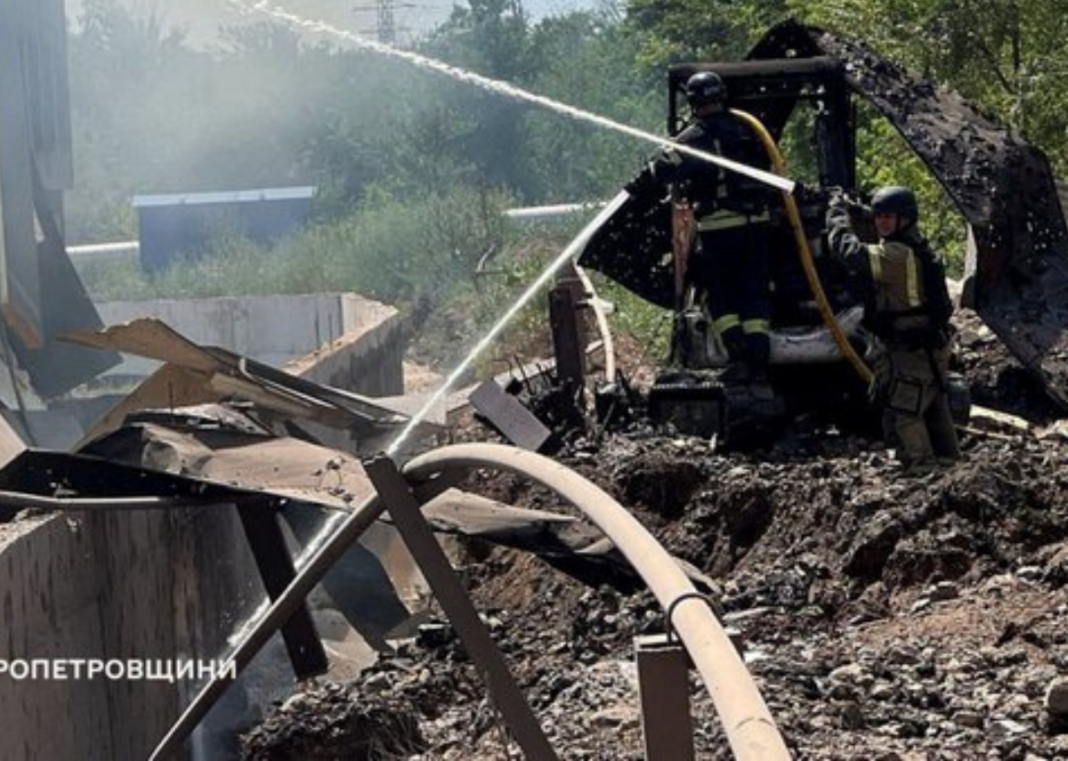
A Russian ballistic missile struck civil and industrial infrastructure in the city of Kryvyi Rih in Ukraine’s Dnipropetrovsk Oblast at around 11:00 a.m. local time on Tuesday, June 23, killing three people and injuring at least 23 others, local and regional officials said. Oleksandr Vilkul, Head of the City Defence Council of Kryvyi Rih, confirmed the death toll and injuries on Telegram, saying some of the wounded were in serious condition and had been taken to hospitals. All emergency services were deployed to the site of the strike as liquidation of the attack’s consequences was underway, Vilkul said.
“A hit on a civil infrastructure object. Unfortunately, three dead. More than ten people were injured,” Vilkul wrote in a first post. The death toll was later confirmed at three, with the injured total rising to 23, the Kyiv Independent reported.
The Strike
The attack hit one of Kryvyi Rih’s main industrial areas, with the Kyiv Independent describing the city as one of the main industrial centres in Dnipropetrovsk Oblast. The nature of the ballistic missile used was not specified in early official statements. Vilkul confirmed that rescue services were continuing operations at the site as of Tuesday afternoon and that doctors were “doing everything possible and fighting for their lives” of those in serious condition.
Ukrainian News Network reported Vilkul’s initial Telegram post as: “Kryvyi Rih — explosions. Ballistic missile attack. We understand everything, we are all working.” The statement reflected the speed at which the civil defence command responded to the strike.
The Wider Attack Pattern on June 23
The Kryvyi Rih strike was not an isolated incident. Russia launched 135 Shahed-type attack drones overnight into Tuesday, Ukraine’s Air Force said, of which 118 were neutralised. Separate Russian attacks across Ukraine over the previous 24 hours killed five people and injured 49 others, the Kyiv Independent reported, with strikes recorded in Kherson Oblast and other regions. A Russian strike also destroyed a trolleybus in Sumy Oblast on Tuesday, hospitalising the 57-year-old driver with serious injuries, Sumy Oblast Governor Oleh Hryhorov said.
Ukrainian forces struck back. The Ukrainian Army struck a thermal power plant in Kerch, leaving roughly half of Crimea without electricity, according to Ukrainian media reports on Tuesday. Ukraine’s military intelligence said its forces also struck Russian logistics routes leading to Crimea. Russia’s Defence Ministry said separately on Tuesday that its forces had shot down 454 Ukrainian drones in the past 24 hours.
Ukraine’s Prime Minister Yuliia Svyrydenko, speaking on June 23, emphasised the country’s continuing diplomatic and defence outreach. “Our team has a clear task — to achieve concrete agreements that will enhance Ukraine’s defence capability and resilience, and expand economic cooperation with our partners,” Svyrydenko said.
Lavrov’s Statement and Peace Talks
Russian Foreign Minister Sergei Lavrov said on Tuesday that Russia was ready to resume talks with Ukraine “at any time,” the Kyiv Independent reported — a statement made as Moscow simultaneously continued its air campaign across multiple Ukrainian regions.
Six Polish and Ukrainian media outlets issued a rare joint editorial appeal on Tuesday, June 23, warning that escalating tensions between Poland and Ukraine risked playing into Russia’s hands and called for restraint and dialogue between the two neighbouring countries.
Kryvyi Rih’s Significance and Strike History
Kryvyi Rih is the hometown of President Volodymyr Zelenskyy and one of Ukraine’s major industrial cities, known for its steel production and iron ore mining. The city has been repeatedly targeted by Russian forces throughout the war. Previous major strikes include a drone attack on May 13, 2026, that killed two people — a couple whose nine-month-old granddaughter, left alone in the apartment, had her leg severed in the blast — and a missile strike on April 2, 2025, that killed four people and injured 14. On April 4, 2025, another strike on a dense residential area killed 20 people, including nine children, in one of the deadliest attacks on civilians in the war at that point.
“No real step toward ending the war” was the Kyiv Independent’s framing of Tuesday’s strike, in a headline that captured the broader reality: peace talks, however reported, have not translated into a halt to Russian strikes on Ukrainian cities.
Background
Kryvyi Rih has been a consistent target of Russian strikes since the full-scale invasion began in February 2022. The city’s industrial base — iron ore, steel, and related heavy industries — gives it strategic significance as part of Ukraine’s wartime economic capacity. Russia’s targeting of industrial and civil infrastructure in the city follows a pattern documented by Ukrainian officials and international monitors across Dnipropetrovsk Oblast. UN human rights monitors have documented between 15,000 and an estimated 40,000 civilian deaths across Ukraine since February 2022, with the Russian military consistently cited as responsible for the vast majority of civilian casualties. In May 2026, Russian forces intensified large-scale combined daytime and night-time drone and missile operations across Ukraine, according to the Wikipedia documentation of Russian strikes against Ukrainian infrastructure.
What Happens Next
Emergency services in Kryvyi Rih were continuing operations at the site of the June 23 strike as of Tuesday afternoon, with the casualty toll subject to revision as rescue teams assessed the full extent of the damage. Ukraine’s Air Force had not published a full assessment of Tuesday’s missile and drone attacks as of the time of reporting. Zelensky has continued to press Ukraine’s international partners for additional air defence systems, particularly Patriot missiles, describing them as the primary tool capable of intercepting ballistic strikes of the kind that hit Kryvyi Rih on Tuesday. Whether the continuation of Russian strikes will affect the trajectory of any ceasefire discussions — or Zelenskyy’s recently reported White House backing for a bolder campaign to pressure Russia into meaningful negotiations — has not been indicated by either side.